
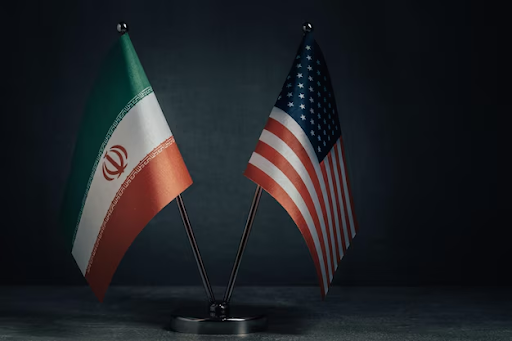
The contrast could hardly have been more stark: Iranian and American diplomats engaged in indirect talks in Geneva’s conference rooms while US warships patrolled the waters near Oman and Iran conducted live-fire naval exercises in the Strait of Hormuz. Yet despite this charged backdrop, both sides appeared willing to continue toward a potential agreement.
Iran’s foreign minister described the latest round of talks as “more constructive” and confirmed that agreement had been reached on broad guiding principles. He indicated that the next step would involve exchanging written drafts of a proposed agreement, with a further meeting expected within two weeks. No statement was issued by the American side immediately following the session.
The military dimension added layers of complexity to an already intricate negotiation. Supreme Leader Khamenei, responding to the US naval presence near Iranian waters, stated bluntly that Iran possessed weapons capable of sending those warships to the bottom of the sea. He simultaneously insisted that any negotiation must not be “foolish” or predetermined to deny Iran its right to nuclear energy.
At the heart of the technical discussions was Iran’s stockpile of 60% enriched uranium — nearly weapons-grade material that serves no civilian purpose — and the extent to which the IAEA would be permitted to inspect Iran’s damaged nuclear facilities. Previous talks in Cairo on IAEA access protocols had broken down, making progress on this front a prerequisite for any broader agreement.
Iran also indicated it would not budge on two key issues: its ballistic missile program and its support for allied armed groups across the region. These positions are likely to remain difficult obstacles as talks advance, even as Iran offered the prospect of a non-aggression pact and economic cooperation as potential sweeteners for a deal.