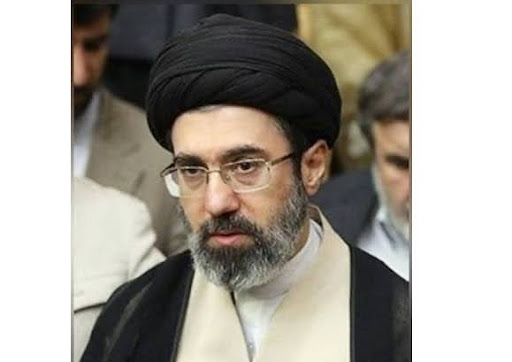
As missiles flew over the Gulf and oil prices climbed toward record highs, Iran announced its new supreme leader on Sunday: Mojtaba Khamenei, the son of the recently killed Ayatollah Ali Khamenei. The Assembly of Experts named him through what it called a decisive vote, urging citizens and religious leaders to support the new authority. The appointment marks the beginning of a new era for Iran, even as the country remains in the grip of its most severe military confrontation in decades.
Mojtaba Khamenei is 56 years old and has lived most of his life at the intersection of religion and political power in Iran without ever putting himself forward as a public figure. He studied theology in Qom’s famous seminaries, built ties with IRGC commanders over many years, and was reportedly present in the final phase of the Iran-Iraq war as a young man. His influence within the system was significant but largely invisible to the general public until now.
Iran’s state institutions rallied quickly around the new leader. The IRGC declared its loyalty, the armed forces command followed suit, and senior political figures described support for Mojtaba as both a religious and patriotic responsibility. Ali Larijani, one of Iran’s top security officials, expressed confidence that the new leader was up to the task of guiding the country through its present ordeal.
The conflict expanded on multiple fronts. Israel struck infrastructure inside Iran and Hezbollah positions in Lebanon. Iranian forces attacked Saudi Arabia, Bahrain, Qatar, Kuwait, and the UAE with drones and missiles, causing deaths in Saudi Arabia and material damage in Bahrain. The IRGC warned that oil could exceed $200 a barrel if the strikes on Iranian energy sites continued, a threat that rattled financial markets already on edge.
Mojtaba Khamenei’s elevation raises questions as much as it answers them. How will a man who has never held elected office govern one of the most complex states in the world? Will he seek dialogue or dig in? Can he maintain the loyalty of a military that has just lost a war? The answers to these questions will shape not just Iran’s future, but the future of an entire region already in crisis.