
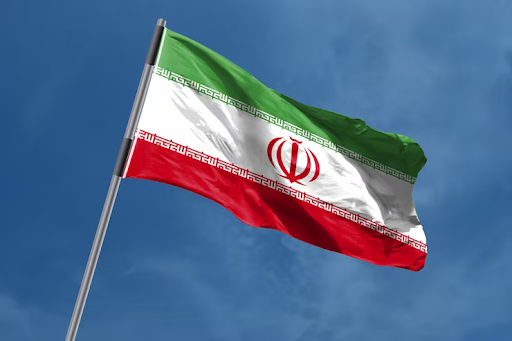
The deployment of elements of the 82nd Airborne Division to the Middle East sent a clear signal on Wednesday that the Trump administration had not ruled out a ground operation against Iran. The 82nd Airborne specialises in rapid entry into contested areas by air, making it particularly suited to operations like the reported plan to seize Iran’s Kharg Island. The deployment came alongside thousands of additional marines and sailors, representing a significant escalation of the US military footprint in the region.
The possible Kharg Island operation reflects the administration’s frustration with Iran’s blockade of the Strait of Hormuz, which has driven global oil prices to levels not seen in decades. The island handles 90% of Iran’s crude oil exports and, if seized, could give Washington significant leverage in forcing the reopening of the Strait. However, Iran has been unambiguous in warning that it would respond to any ground assault with extreme force.
Tehran conveyed through third-country diplomats that it was prepared to carpet-bomb its own territory to destroy any US landing force. Iran’s parliament speaker warned that any neighbouring country that assisted in a Kharg assault would face continuous and relentless counterstrikes. An unnamed Iranian military official said Iran would also open additional fronts in the Red Sea if the US launched ground operations, threatening to spread the conflict into another vital global shipping lane.
These threats are not easily dismissed. While the US has degraded Iran’s military capabilities significantly — destroying 92% of its largest naval vessels and much of its missile production infrastructure — Iran retains ballistic missiles and the ability to strike widely across the region. The potential for a ground operation to trigger a mass casualty event for US forces, or to expand the conflict into a broader regional war, represents a serious risk calculation for the administration.
The diplomatic dimension continued alongside the military planning. Iran rejected the US ceasefire proposal and submitted its own five-point counter-demands. Trump insisted a deal was near. Multiple regional intermediaries continued pushing for talks. The deployment of additional forces could be read either as military pressure designed to accelerate diplomacy or as preparation for an escalation that would make a negotiated settlement even harder to reach.