
It has been the worst week for energy markets since the darkest days of the Covid-19 pandemic. The conflict involving Iran has driven Brent crude up more than 25% in a single week — from around $72.50 to as high as $91.89 a barrel — representing the steepest weekly rise since early April 2020 and reigniting fears of a new global inflationary wave that could undermine economic stability worldwide.
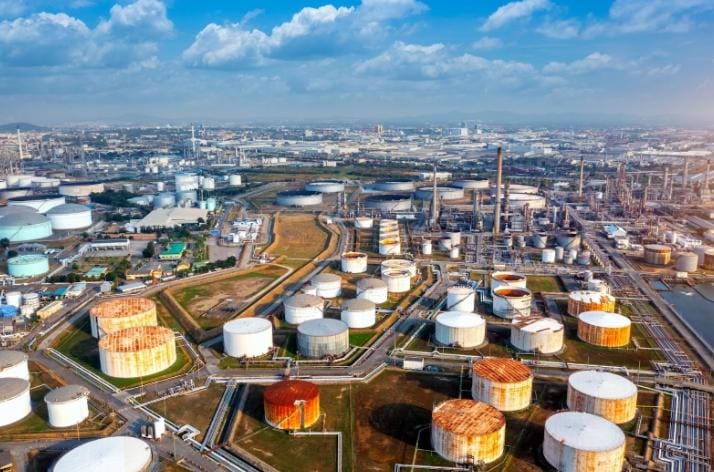
The surge was turbocharged on Friday by reports that Kuwait had started shutting down production at oil fields that had simply run out of storage capacity. As the conflict disrupts tanker traffic through the Strait of Hormuz, oil that cannot be exported must be stored — and the region’s storage infrastructure is quickly reaching its limits. Energy consultants have warned that Saudi Arabia and the UAE could face the same problem within three weeks.
Should those producers be forced to halt output, the consequences for global energy markets would be severe. Shutting down an oil well and restarting it is a costly process that can take weeks, meaning the supply disruption could outlast any political settlement. Oil traders are increasingly pricing this risk into their forecasts, with some analysts now openly discussing the possibility of triple-digit oil becoming the new normal.
Qatar’s energy minister has gone further still, warning that a continuation of the conflict could see all Gulf energy exporters halt production within weeks — an event that he said would send oil to $150 a barrel. Qatar is already suffering significant disruption to its LNG exports following a drone attack on a key terminal, and European gas markets have reacted with alarm, surging to three-year highs as buyers scramble for alternative supplies.
The financial market response has been sweeping. Stocks fell sharply across Asia, Europe, and the UK, while government bond yields rose to levels associated with past crises. Airlines, among the most exposed to fuel price spikes, saw their shares tumble dramatically. The window for imminent interest rate cuts in both the UK and eurozone has effectively closed, as central banks confront the prospect of yet another round of energy-driven inflation.