
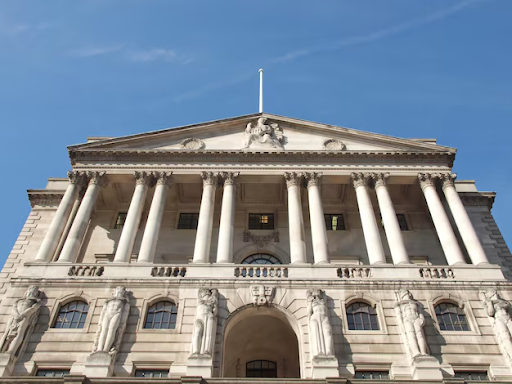
The Bank of England has chosen to hold its key interest rate at 3.75%, despite four of nine monetary policy committee members voting for an immediate reduction. This division highlights the growing debate among policymakers about the appropriate pace of monetary easing.
The committee members supporting an immediate quarter-point cut included senior Bank insiders Dave Ramsden and Sarah Breeden, along with independent economists Alan Taylor and Swati Dhingra. Their dissent is particularly significant given that it represents nearly half the committee, suggesting momentum is building toward further rate reductions. The Bank has already cut rates six times since mid-2024, and this voting pattern indicates the easing cycle is likely to continue.
Governor Andrew Bailey, who voted to maintain rates, explained that the decision reflects confidence in the inflation outlook combined with caution about ensuring sustained low inflation. He stated that inflation is expected to fall to around 2% by spring, representing a return to the target level. Bailey indicated that while current rates are appropriate now, there should be scope for additional cuts later this year if conditions evolve as expected.
Economic forecasts have been revised significantly lower, with GDP growth now projected at just 0.9% for this year, down from the 1.2% forecast made in November. The Bank attributes some of this weakness to the impact of higher employer costs, including increased national insurance contributions and the rising minimum wage. These factors have contributed to employment stagnation and are expected to continue weighing on economic activity.
The influence of the chancellor’s budget on inflation is substantial and positive. Rachel Reeves’s measures, including utility bill cuts and rail fare freezes taking effect in April, are expected to drive significant reductions in consumer price inflation. The Bank now forecasts inflation will fall to 2.1% by the second quarter of 2026, compared to 3.4% in December, marking a dramatic improvement that should provide relief to households after years of elevated prices following the pandemic and Ukraine conflict.