
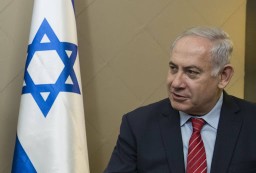
In a powerful address to the media on Friday, Israeli Prime Minister Benjamin Netanyahu declared that Iran had lost the capacity to enrich uranium or manufacture ballistic missiles, effectively crushing the country’s near-term nuclear ambitions after just twenty days of war. He flatly denied that Israel had engineered American entry into the conflict, calling such reports a deliberate misrepresentation of the facts. Netanyahu expressed confidence that the war’s end was approaching sooner than most observers currently believed.
Netanyahu addressed his close working relationship with President Donald Trump at several points during the briefing. He insisted that Trump had come to the conflict with his own deeply held and well-formed views on Iran’s nuclear threat, describing a partnership of genuine intellectual equals. Netanyahu credited Trump with offering insights that deepened his own understanding of the risks posed by Tehran’s underground nuclear program.
The prime minister confirmed Israel had struck the South Pars gas complex alone, describing it as a fully independent Israeli military decision. He acknowledged Trump’s subsequent request for a pause in further attacks on Iran’s gas infrastructure, framing the communication as a sign of the alliance’s openness and trust. Netanyahu was clear that Israel’s capacity for independent action had not been restricted by this or any other diplomatic exchange.
Netanyahu called out Iran’s Hormuz threats for what he believed they were: blackmail aimed at rattling the world. He proposed building pipelines across the Arabian Peninsula as an alternative route for energy exports to Israeli and Mediterranean ports. This infrastructure vision, he argued, would make Iran’s Hormuz leverage a thing of the past.
The prime minister observed cracks forming in Iran’s leadership structure, particularly the conspicuous absence of Mojtaba, Iran’s anticipated new supreme leader, from any public forum during the conflict. Netanyahu said he was uncertain who was currently running Iran and noted visible tension among competing leadership figures. He felt these conditions were helping to drive the war toward a resolution that would come faster than the international community expected.