
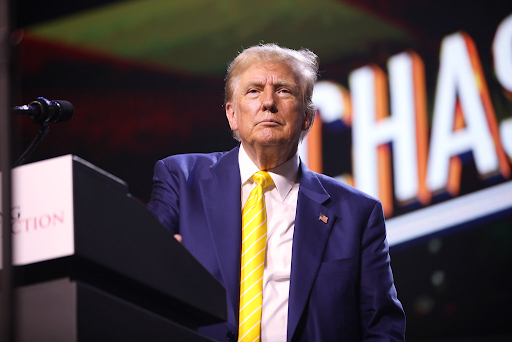
When the Supreme Court struck down his tariff powers on Friday, President Trump did not slow down — he accelerated. Within hours, he announced a 15% universal tariff on all imports, using an obscure and previously untested section of the Trade Act of 1974 as his new legal foundation.
Section 122 of the 1974 law allows the president to impose tariffs of up to 15% for 150 days without needing Congress. After that window closes, legislative approval is mandatory. Trump stated his team would use the period to craft new tariffs that could withstand legal scrutiny, even as legal experts warned the new approach could itself face court challenges.
The Supreme Court’s 6-3 ruling had determined that using the International Emergency Economic Powers Act for broad tariff imposition required congressional authorization Trump had never obtained. The president responded with fury, labeling the majority justices “disgraceful” and calling Barrett and Gorsuch — his own picks — an embarrassment. He praised dissenters Kavanaugh, Thomas, and Alito as the true patriots.
European capitals were quick to respond. Germany’s Chancellor Merz warned that tariff unpredictability was toxic for economic planning on both sides of the Atlantic. France’s Macron invoked the importance of democratic checks and balances. The UK, which had reached a separate 10% deal, now must reckon with the new 15% baseline.
US consumers remain the primary bearers of tariff costs, with studies suggesting 90% of the $130 billion collected so far has come from domestic pockets. Business associations are seeking refunds, but Trump signaled that reimbursements would require an extended legal battle. Critical minerals, metals, pharmaceuticals, and USMCA goods from Canada and Mexico are exempt from the new rate.