
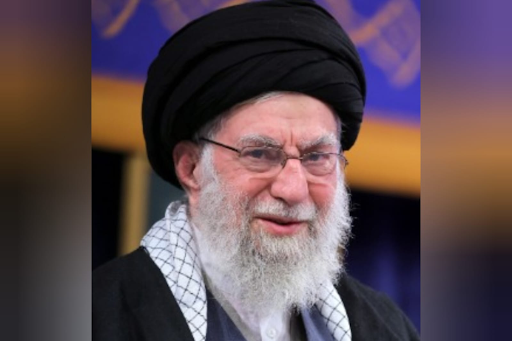
Iran is navigating a dual crisis — an active armed conflict in the Persian Gulf and the sudden absence of the man who defined its political identity for nearly four decades. The death of Supreme Leader Ayatollah Ali Khamenei in US-Israeli airstrikes has set in motion a constitutional succession process whose outcome will reshape the Middle East.
The Assembly of Experts, the clerical body responsible for selecting Iran’s supreme leader, is expected to convene as normal despite the wartime conditions. Speculation centers on Mojtaba Khamenei, the Supreme Leader’s second-eldest son, as a possible successor, though no formal announcement has been made. The speed with which the death was publicly confirmed has fueled speculation that a successor may already have been agreed upon behind closed doors.
Ali Larijani, a longtime close adviser to Khamenei who gained prominence after the reorganization of Iran’s national security institutions following June’s airstrikes, has become one of the most visible and authoritative voices in Tehran’s current leadership. He has made public statements addressing both the ongoing conflict and the succession process.
The IRGC’s growing political footprint may complicate the authority of whoever emerges as the new Supreme Leader. The organization, originally created to defend the revolution and its leadership, now commands enormous economic resources and political influence, and its top surviving commanders are central to Iran’s war planning.
Meanwhile, ordinary Iranians face the convergence of war, economic hardship caused by decades of sanctions, and an uncertain political future. While some celebrated the news of Khamenei’s death, the atmosphere in major cities is one of tension rather than revolution, with security forces deployed in overwhelming numbers across the country.