
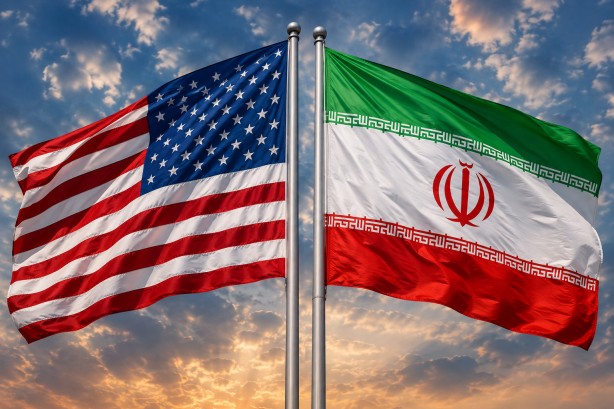
Tensions have dramatically risen between the United States and Iran following a series of intense military exchanges. The United States initiated a new round of airstrikes, targeting approximately 80 sites connected to Iran’s military assets. Officials stated that these strikes were conducted to ensure the security of navigation through the Strait of Hormuz after Iran reportedly attacked three commercial vessels traversing the vital waterway.
In retaliation, Iran launched missiles and deployed drones targeting U.S. military installations in Bahrain and Kuwait. Furthermore, Iran unveiled a new military strategy, indicating that it would consider the United States and its regional allies as equal adversaries in any forthcoming conflicts. Amid these developments, U.S. President Donald Trump issued a stern warning that the U.S. was ready to pursue further military action should Iran continue its aggressive actions, although he expressed doubt that the situation would evolve into a long-term war.
This recent bout of hostilities has placed significant strain on the interim ceasefire agreement that was previously established. The truce was originally designed to facilitate discussions regarding Iran’s nuclear program, potential sanctions relief, and the establishment of long-term security protocols in the Strait of Hormuz. As the situation unfolds, Iran continues to assert its right to manage shipping activities in the strait, while the United States argues that Iran’s recent actions against commercial ships breach international maritime security, thereby justifying its military response.
The escalation in conflict has also led to a spike in global oil prices, as fears mount over possible disruptions to a critical route for global energy supplies. The Strait of Hormuz is one of the world’s most crucial maritime passages for oil shipping, and any instability in this region tends to have wide-reaching economic implications.