
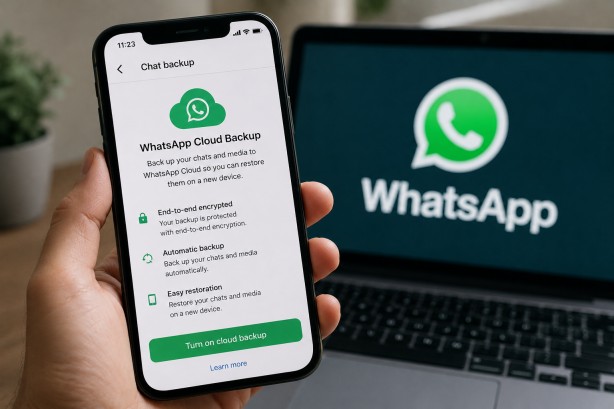
WhatsApp is working on a new feature that will enable iPhone users to back up their chats, photos, videos, and documents directly to WhatsApp’s own cloud storage, bypassing the need for Apple’s iCloud. This upcoming feature is reportedly set to offer 2GB of free cloud storage specifically for chat backups. For users requiring more storage space, WhatsApp plans to introduce paid plans, starting with an option for 50GB of storage, and additional larger capacity plans are believed to be in the works.
The introduction of WhatsApp’s cloud storage will be optional, maintaining iCloud as the default backup service for iPhone users. However, users opting for WhatsApp’s storage solution will have the flexibility to revert back to iCloud whenever they wish. Notably, these cloud backups are expected to feature end-to-end encryption by default, which ensures that the backup data remains securely protected from unauthorized access.
This feature is currently undergoing testing through Apple’s TestFlight platform, though there is no confirmed timeline for when it will be publicly available. The launch of this new backup option marks a significant shift for WhatsApp, as it expands its services beyond the traditional reliance on device-specific cloud storage solutions like iCloud for iPhone users.
In addition to the iPhone-specific update, WhatsApp is reportedly developing a similar cloud backup option for Android users. This move suggests that the company is focusing on enhancing the security and flexibility of data storage options across different platforms, potentially providing a consistent user experience regardless of the device being used.
Overall, WhatsApp’s initiative to introduce its own cloud storage solution reflects a broader trend in the tech industry towards greater control over data management and security. As users increasingly demand secure and reliable backup options, this feature could position WhatsApp as a more versatile and secure messaging platform, appealing to a wider audience concerned about privacy and data protection.