
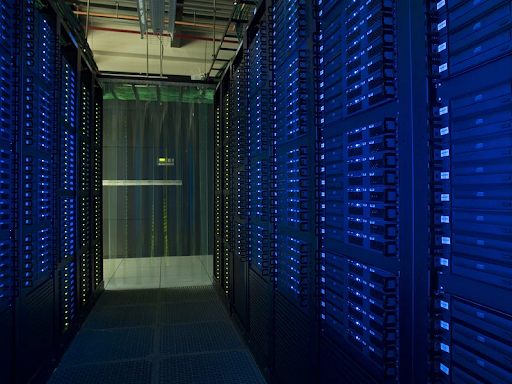
The tech industry is grappling with a $3 trillion problem: the colossal cost of building and powering the next generation of earthbound datacenters to feed the AI boom. Google’s answer is to bypass the problem entirely and aim for space.
The company’s “Project Suncatcher” is a bet that the future of large-scale AI computation lies in orbit. This plan is built on a new economic reality where rocket launch costs are falling so fast that space is becoming a competitive alternative. Google’s research suggests that cost parity with terrestrial datacenters could be achieved by the mid-2030s.
A key economic and environmental driver is energy. Orbital solar panels can generate eight times more power than on-ground arrays, tapping into an “unlimited, low-cost renewable energy” source, as one industry expert put it. This bypasses the growing conflict between massive datacenters and local power grids, and the rising carbon emissions from powering them with fossil fuels.
This orbital strategy also solves the resource-scarcity problem. Terrestrial datacenters consume enormous amounts of land and water for cooling. Project Suncatcher’s satellite constellations would eliminate this dependency, a huge advantage in a resource-constrained world.
Google is not alone in this assessment; Elon Musk and an Nvidia-backed startup are pursuing similar goals. While Google plans its first trials for 2027, it acknowledges significant engineering hurdles. However, the potential to sidestep the $3 trillion terrestrial spending boom and its environmental impact makes space an irresistible target.