
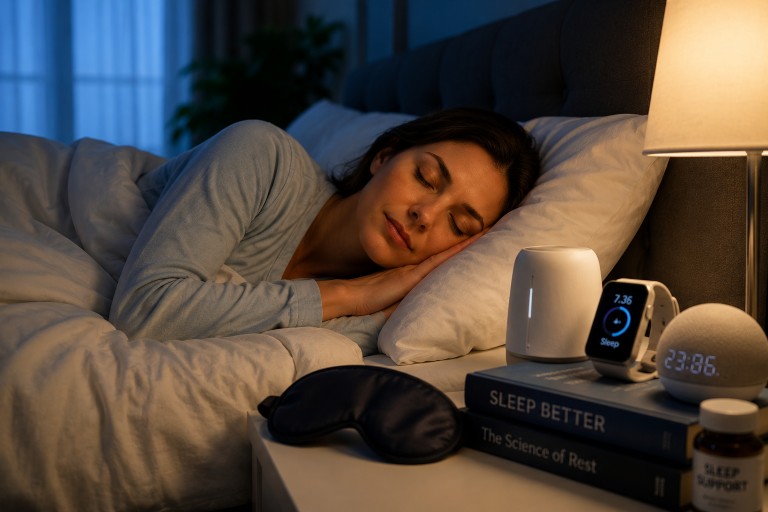
The burgeoning interest in sleep improvement has spurred a thriving market for sleep-enhancing products, ranging from smartwatches and sleep-tracking apps to specialized mattresses, weighted blankets, white-noise machines, and cooling technology. Consumers are increasingly investing in these items with the hope of achieving better rest. However, experts caution that while these gadgets might enhance comfort or offer insights into sleep patterns, they cannot substitute the essential elements of healthy sleep. Factors such as stress, excessive screen time, irregular sleeping schedules, noise, uncomfortable temperatures, and untreated sleep disorders can still disrupt sleep quality, regardless of the sophistication of sleep technology.
While a comfortable mattress or supportive bedding might contribute to a more restful sleeping environment, persistent issues like stress, anxiety, excessive noise, irregular work hours, and underlying sleep disorders demand more comprehensive solutions than simply purchasing a new mattress or smart device. In fact, an overreliance on sleep technology can sometimes exacerbate the problem, as seen with the rising concern over orthosomnia. This condition refers to an obsession with achieving “perfect” sleep by incessantly monitoring data from sleep trackers, which ironically can lead to increased anxiety and hinder relaxation at bedtime.
As awareness of the importance of quality rest grows, the demand for sleep-related products continues to rise. The market now includes a wide array of offerings beyond traditional mattresses and pillows, such as wearable trackers, sleep apps, smart beds, wellness programs, and other tech-driven solutions. Additionally, the popularity of wellness-focused hotels and sleep retreats underscores a broader societal shift towards recognizing sleep as a critical component of overall health, rather than merely downtime.
Despite the appeal of these innovations, sleep trackers, while capable of providing a general overview of sleep patterns, cannot diagnose or address all the underlying causes of poor sleep. Issues like work-related stress, anxiety, late-night screen usage, caffeine consumption, fluctuating schedules, and certain health conditions can all impede restful sleep. The online trend of “sleepmaxxing,” which involves optimizing sleep through routines, products, diet, and technology, has garnered interest. However, experts warn against converting sleep into another metric of performance.
Ultimately, the foundation for healthy sleep remains surprisingly simple and revolves around maintaining consistent habits. Establishing a regular sleep and wake schedule, engaging in physical activity, managing stress, and minimizing screen exposure before bed create a robust framework for better rest. A conducive bedroom environment, characterized by quietness, darkness, and a comfortable temperature, also plays a crucial role. Importantly, for those experiencing persistent or severe sleep issues, such as difficulty sleeping, loud snoring, breathing interruptions during sleep, or significant daytime fatigue, seeking professional medical advice is recommended over relying solely on consumer products.